The evolution of gambling tracing its historical roots and cultural significance
The Ancient Origins of Gambling
The history of gambling can be traced back to ancient civilizations, where it played a vital role in social and cultural practices. Evidence suggests that as early as 3000 BC, the Chinese were using rudimentary forms of gambling, including dice made from animal bones. Similarly, ancient Egyptians participated in betting games involving dice and pawns, showcasing the significance of chance as a form of entertainment and ritual. These early forms of gambling reveal how intertwined games of chance were with daily life and religious practices. Today, players who enjoy online platforms such as https://tenobett.uk/ can find a modern interpretation of these traditional practices.
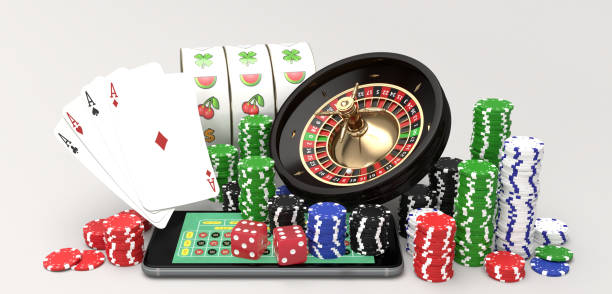
In ancient Rome, gambling took a more organized form with the establishment of betting on gladiator fights and chariot races. Romans enjoyed various games of chance, and gambling houses, or tabernae, became popular among citizens. The legal frameworks that were created around these gambling activities reflect the societal acceptance of gambling as a significant aspect of Roman culture. Such activities highlighted a communal aspect, bringing people together in a shared experience.
As trade expanded, gambling began to evolve further, influenced by different cultures and regions. The introduction of card games, which originated in Asia, marked a significant shift in gambling practices. Over time, these games spread across Europe and began to integrate into various social classes, ultimately giving rise to the gambling establishments we recognize today. This historical evolution showcases how gambling has always been more than a pastime; it has served as a reflection of societal values and norms throughout history.
The Rise of Casinos and Organized Gambling
The 17th and 18th centuries saw the emergence of formal casinos, particularly in Europe. The first recognized casino, the Ridotto, was established in Venice in 1638, allowing patrons to gamble in a controlled environment. This establishment marked a shift toward regulated gambling, leading to a surge in the popularity of casinos across the continent. These venues not only offered games of chance but also became social hubs where individuals from various backgrounds could interact.
As the concept of casinos gained traction, so did the types of games available. The introduction of games like roulette, baccarat, and poker contributed to the allure of these establishments. Each game brought its own set of rules, strategies, and communities, fostering a rich culture around gambling. The influence of high-stakes gambling attracted not only common folk but also the elite, further solidifying the casino’s status as a central component of social life.
By the 19th century, gambling had become synonymous with cities like Monte Carlo and Las Vegas, where extravagant casinos catered to a growing demographic of gamblers. The glitz and glamour associated with these venues transformed gambling into a lavish experience, deepening its cultural significance. This evolution reflects the way society began to embrace the notion of risk and reward as part of the human experience, making gambling a defining characteristic of leisure activities.
The Cultural Significance of Gambling in Society
Gambling has transcended mere entertainment, serving as a cultural symbol that varies across different societies. In some cultures, gambling is viewed as a rite of passage, while in others, it is associated with moral dilemmas and vice. For instance, in many Indigenous cultures, gambling has historical roots tied to social gatherings and communal bonds, highlighting its importance in fostering relationships among community members.
The cultural significance of gambling is also evident in literature and art. From Shakespeare’s plays to modern films, gambling often represents the duality of fortune and fate. It embodies the human desire for escape, excitement, and the thrill of uncertainty. This reflection in creative expressions illustrates how gambling has become a metaphor for life’s risks and rewards, resonating deeply with human experiences across generations.
Moreover, the portrayal of gambling in popular media has influenced public perception and social attitudes towards it. While some narratives glorify high-stakes gambling as a path to wealth and adventure, others highlight the risks and consequences of addiction and loss. This complex portrayal indicates that gambling continues to spark conversations about responsibility, ethics, and the human condition, reinforcing its significance in modern society.
The Impact of Technology on Gambling Practices
The advent of technology has revolutionized gambling, making it more accessible than ever before. The rise of online casinos and mobile gaming has altered traditional gambling practices, allowing individuals to gamble from the comfort of their homes. This shift has democratized access to gambling, attracting a broader audience beyond those who frequent brick-and-mortar establishments. Online platforms offer diverse gaming experiences, from live dealer games to virtual slot machines, appealing to a wide range of preferences.
Moreover, advancements in technology have also led to the emergence of innovative betting options, such as live betting during sporting events. This immediate form of gambling adds an exhilarating layer of engagement, as players can place bets in real-time based on the unfolding action. The integration of cryptocurrencies into gambling transactions has further modernized the industry, providing anonymity and security for players. This evolution reflects the industry’s adaptability to changing societal norms and technological advancements.
However, with these innovations come concerns regarding responsible gambling. The convenience and accessibility of online gambling can lead to issues of addiction and irresponsible behavior. As the industry continues to evolve, there is a growing emphasis on implementing safeguards and promoting responsible gaming practices. This balance between innovation and responsibility is crucial for the sustainable future of gambling, ensuring that it remains a source of enjoyment rather than harm.

Exploring Tenobet: A Modern Gambling Experience
Tenobet stands out as a premier online casino catering to players seeking an alternative to traditional gambling options. With a vast library of games ranging from slots to live dealer experiences, Tenobet encapsulates the modern evolution of gambling. Players can immerse themselves in an engaging environment where they can explore various gaming options, providing an enticing alternative to land-based casinos.
Moreover, Tenobet recognizes the importance of responsible gaming practices. Operating under Curaçao law, the platform ensures that players enjoy a safe and secure gaming experience while also promoting awareness about responsible gambling. The integration of major cryptocurrencies for transactions reflects the site’s commitment to providing a modern, flexible approach to online gambling, catering to the needs of today’s players.
In addition to its extensive game selection, Tenobet offers generous bonuses and promotions, making it an attractive option for both newcomers and seasoned gamblers. As the landscape of gambling continues to evolve, Tenobet exemplifies the fusion of tradition and innovation, creating a vibrant space for players to experience the thrill of gambling in a responsible and engaging manner.
Leave a Reply