Understanding the psychological tricks that keep gamblers at the table
The Allure of the Game
The environment of a casino is meticulously crafted to draw players in and keep them engaged. Bright lights, loud sounds, and enticing decor create an atmosphere of excitement and anticipation. Gamblers often find themselves captivated by the hustle and bustle, forgetting their outside worries. This immersive setting works to lure players back to the tables, as the sensory stimulation creates a rush that can lead to the impulsive decision to try the best football betting sites and gamble more.
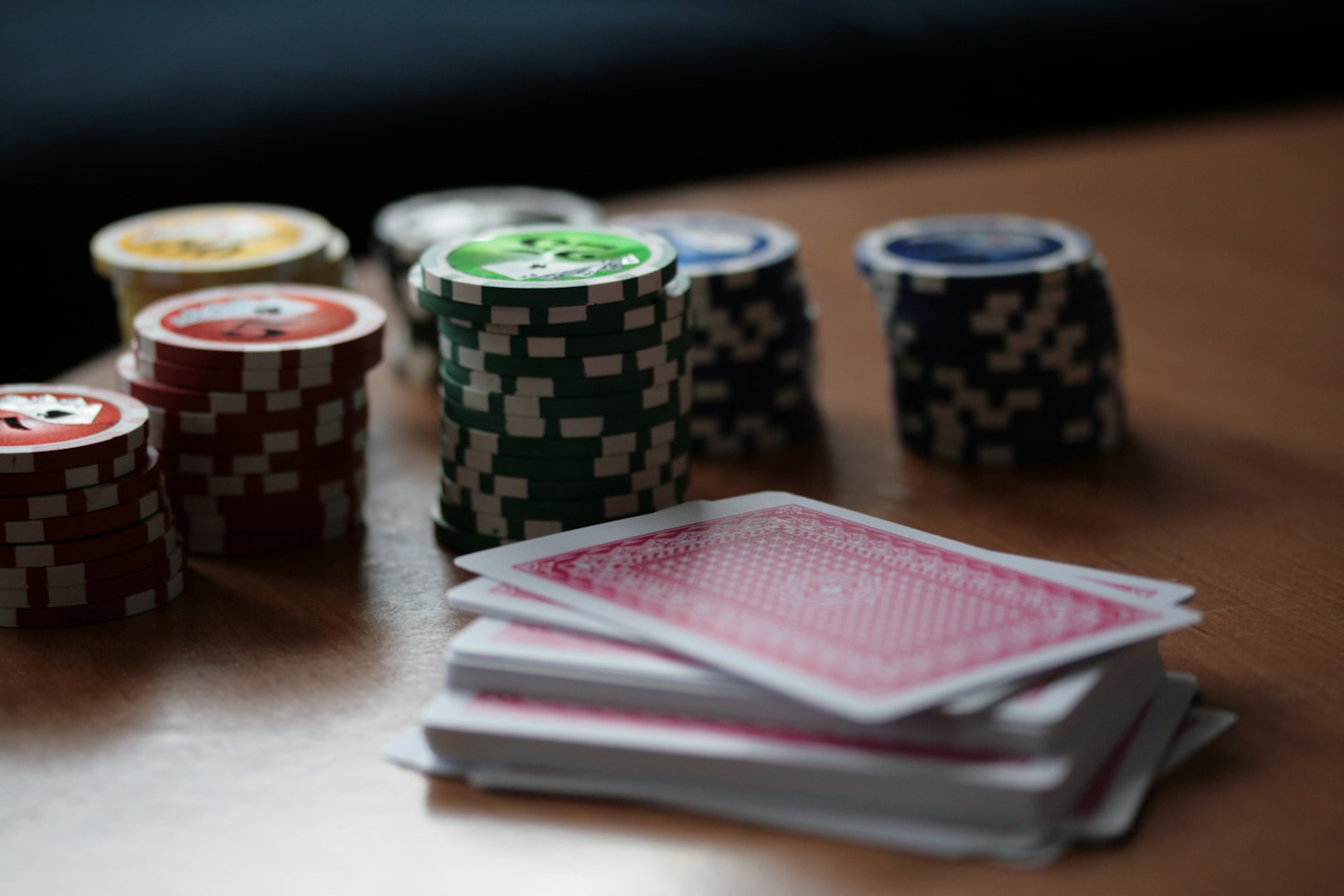
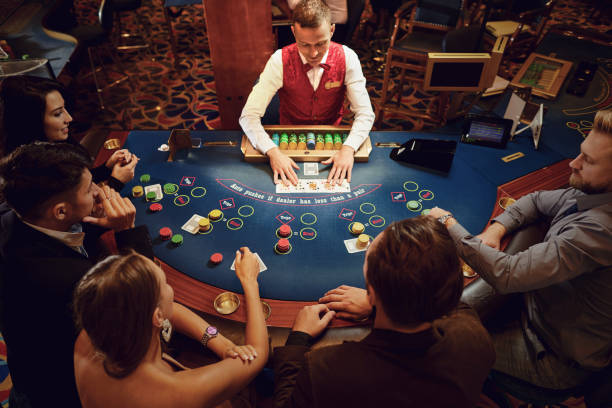
Moreover, the presence of large groups of people enjoying themselves adds a social element that can be particularly enticing. Gamblers may feel compelled to join in the fun, leading them to the tables in hopes of experiencing the thrill. The psychology of social proof plays a significant role here; when individuals see others enjoying themselves, they often want to participate. This phenomenon not only pulls them into the casino but also into the specific games being played.
Finally, the concept of ‘near-misses’ significantly enhances the allure. Gamblers frequently experience moments where they almost win, such as rolling a pair of dice that lands one number away from a big payout. These occurrences reinforce a belief that they are ‘due’ for a win, creating a compelling reason to stay and continue betting. This cycle can be difficult to break, as it fosters the hope that fortune is just around the corner.
The Role of Rewards and Incentives
Gamblers are often enticed by the reward structures that casinos implement. From complimentary drinks to loyalty programs and free slot play, the rewards can make players feel valued. This strategy taps into the brain’s reward system, releasing dopamine and creating feelings of pleasure associated with the act of gambling. As players receive incentives, they are likely to perceive their spending as an investment rather than a loss, which can keep them at the tables longer.
Furthermore, the concept of ‘winning streaks’ reinforces this behavior. When a player wins, even if it is a small amount, it can create a sense of euphoria that leads them to chase further winnings. This perception is often magnified in high-stakes games, where significant sums are at play, and the potential for substantial rewards feels palpable. The thrill of potentially hitting it big can cloud judgment, prompting gamblers to stay at the table in hopes of more wins.
Casinos also use psychological tactics such as ‘losses disguised as wins.’ This term refers to situations where a player loses their initial stake but wins a smaller amount, making them feel as if they have achieved a win. This tactic perpetuates the notion of being close to a significant payout, encouraging gamblers to continue playing. By creating a reward system filled with psychological incentives, casinos effectively keep players engaged and returning for more.
The Impact of Cognitive Biases
Cognitive biases play a pivotal role in gambling behavior. One of the most prevalent biases is the illusion of control, where gamblers believe they can influence the outcome of games that are predominantly chance-based. This illusion can be particularly potent in high-stakes games like poker, where strategic thinking is involved. Players may convince themselves that their skills are superior, leading them to wager more than they typically would.
The gambler’s fallacy is another critical cognitive bias that influences decision-making. This belief holds that past outcomes affect future probabilities, leading gamblers to chase losses or alter their betting strategies based on previous results. For instance, a player may think that if a certain number has not come up in a while, it is more likely to come up next. This erroneous thinking can lead to increased betting and prolonged time at the tables, despite statistical evidence to the contrary.
Lastly, the framing effect influences how gamblers perceive risks and rewards. The way information is presented can significantly affect their decision-making. If a promotion highlights a chance to win a substantial jackpot instead of focusing on the odds of losing, players are more likely to be drawn in. By strategically framing their promotions and games, casinos can sway gamblers’ perceptions, ultimately keeping them at the tables for extended periods.
The Influence of Emotional States
Emotional states greatly impact gambling behavior. Many individuals turn to gambling as a form of escapism to cope with stress, anxiety, or sadness. In these moments, the excitement of high-stakes games can provide a temporary release, making the gamble feel worthwhile despite the risks involved. However, this emotional high can lead to detrimental consequences, as players might chase losses in an attempt to feel better.
Moreover, the combination of excitement and anxiety can create a potent psychological cocktail. Gamblers often experience heightened emotions when winning, which can lead to impulsive decisions. This emotional volatility can drive individuals to ignore their better judgment, making them more likely to stay at the table despite unfavorable odds. The cycle of thrill and anxiety can lead to prolonged sessions, as each loss feels more significant than it actually is.
Additionally, the need for social connection can intensify these emotional experiences. Engaging with fellow gamblers can enhance feelings of camaraderie and excitement, prompting individuals to continue playing to maintain that connection. The emotional environment of the casino can thus serve to reinforce gambling behavior, as the desire to escape reality and find solace in shared experiences keeps players engaged for longer than they intended.
Conclusion: The Underlying Mechanics of Gambling
Understanding the psychological tricks that keep gamblers at the table reveals the complexities of human behavior. The interplay of environmental factors, reward structures, cognitive biases, and emotional states creates an environment conducive to prolonged gambling. By recognizing these elements, individuals can better navigate their gambling experiences, making informed decisions that prioritize their well-being.
As gambling continues to evolve with technology, the need for awareness of these psychological influences becomes ever more crucial. Whether engaging in high-stakes games or casual play, being mindful of the mental tricks can empower individuals to approach gambling responsibly. Ultimately, fostering a healthy relationship with gambling is essential for enjoyment and risk mitigation.
Leave a Reply